

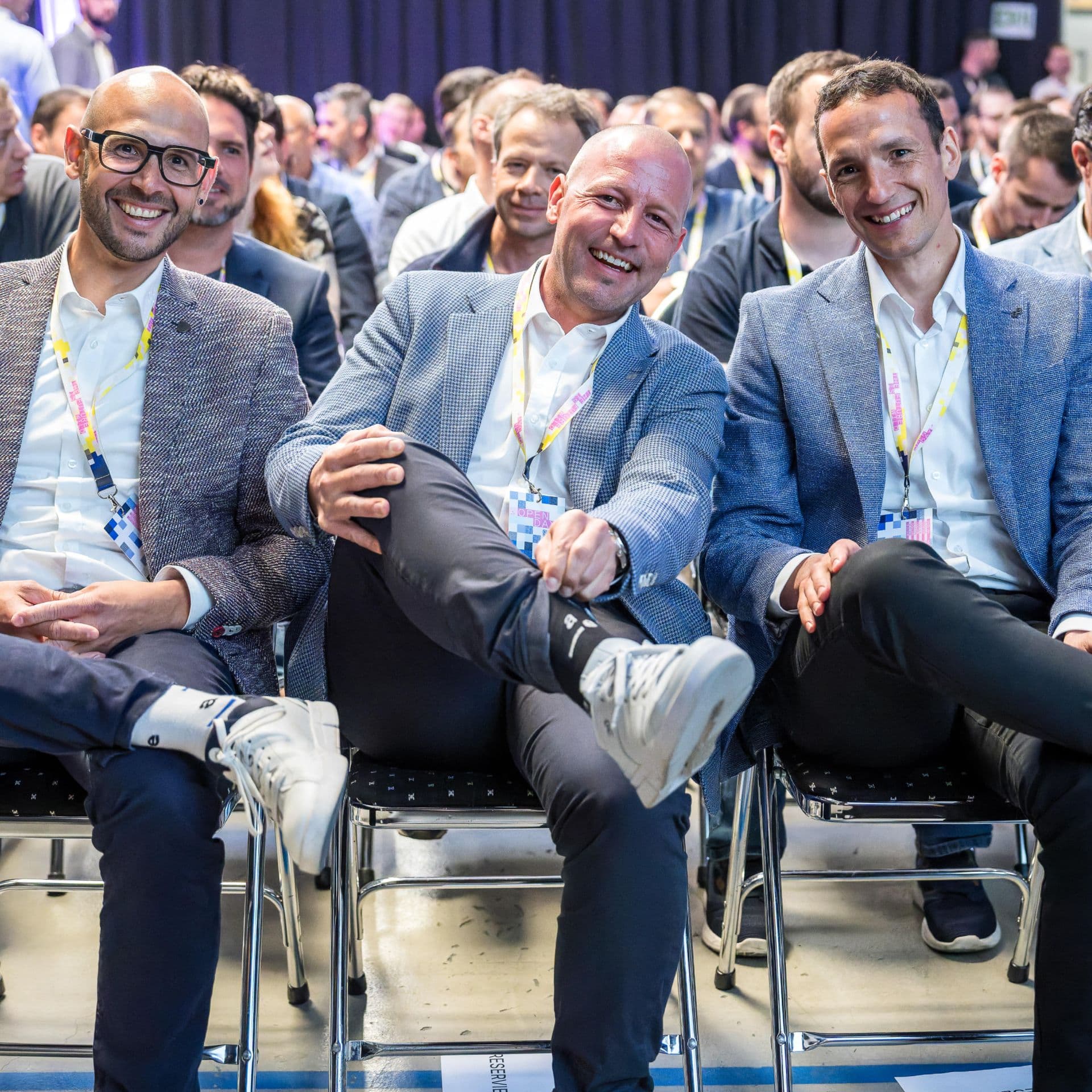
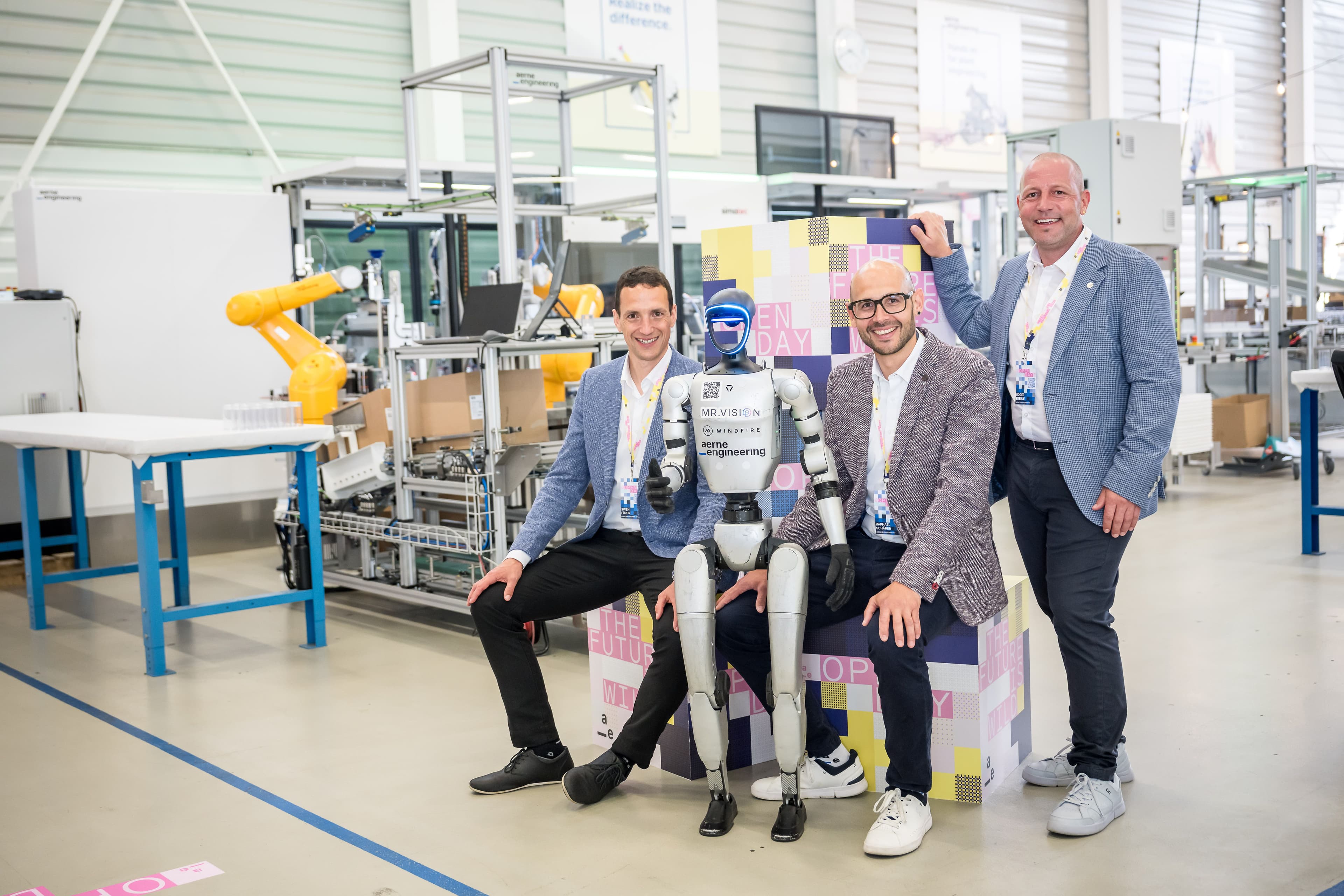
Since the beginning of 2026, you have been leading the company as co-CEOs. Looking back with some perspective, has the model lived up to your expectations?
Raphael Schärer: Yes. Of course, we knew that a step like this wouldn’t be completed overnight. Leadership doesn’t change simply because you introduce a new organisational chart; it takes shape in everyday practice. And that’s exactly where we’re seeing that the decision was the right one. Decisions are now more broadly supported, we can make better use of our different strengths, and clearly defined responsibilities allow us to move things forward more quickly.
Many people wonder: who has the final say when three CEOs sit around the same table?
Roger Eberle: We get that question quite often. Many people imagine that having three CEOs makes everything more complicated. The opposite is true. We have clear responsibilities and know exactly who leads which topics. At the same time, we discuss important decisions together. This leads to better solutions because different perspectives come together.
The co-CEO model is part of a broader organisational development process. What exactly does that involve?
Swen Fürer: That’s right. The co-CEO model is just one element of our broader organisational development. In a way, it evolved naturally. We had already been working this way informally in many respects, and the new organisational structure gave this collaboration an official framework.
Our projects are becoming increasingly complex, which means decisions need to be made more quickly. This requires different areas of expertise to come together at an earlier stage. That’s precisely why we’re making collaboration across the company more agile, step by step. It’s not about dismantling hierarchies, but about placing responsibility where the relevant knowledge and expertise lie. We see this as a key success factor for the future.
Change always brings challenges. What have been the biggest ones?
Roger Eberle: Honestly? I underestimated the effort involved, not in terms of technical expertise, but on a human level. A change process like this isn’t simply about redistributing responsibilities. Above all, it requires a great deal of communication, listening and repeatedly explaining why we’re taking this path together.
Some of these conversations were very intense and, at times, challenging. There were also phases when we questioned ourselves. Not the goal itself, but the path we were taking to get there. That’s precisely when mutual support and the conviction that change takes time become essential.
Today, however, we know that the effort was worthwhile. Many processes have become clearer, and we can feel that understanding of the new organisational model is gradually growing within the team.
Raphael Schärer: I think these phases are part of the process. What matters is not changing course at the first sign of resistance. Change takes time. So does building a culture in which responsibility is shared, communication is open and decisions are made collectively. That culture must also grow and be consciously nurtured over time.
How, and in what specific ways, do your customers experience this change?
Swen Fürer: Our customers benefit from the fact that we bring the right people together at an early stage. Our projects are highly complex, so it’s essential to combine expertise from different areas right from the start. Our project managers also work closely with their counterparts on the customer’s side from the outset. For me, this close collaboration, both professionally and personally, is one of the greatest advantages of our organisational model.
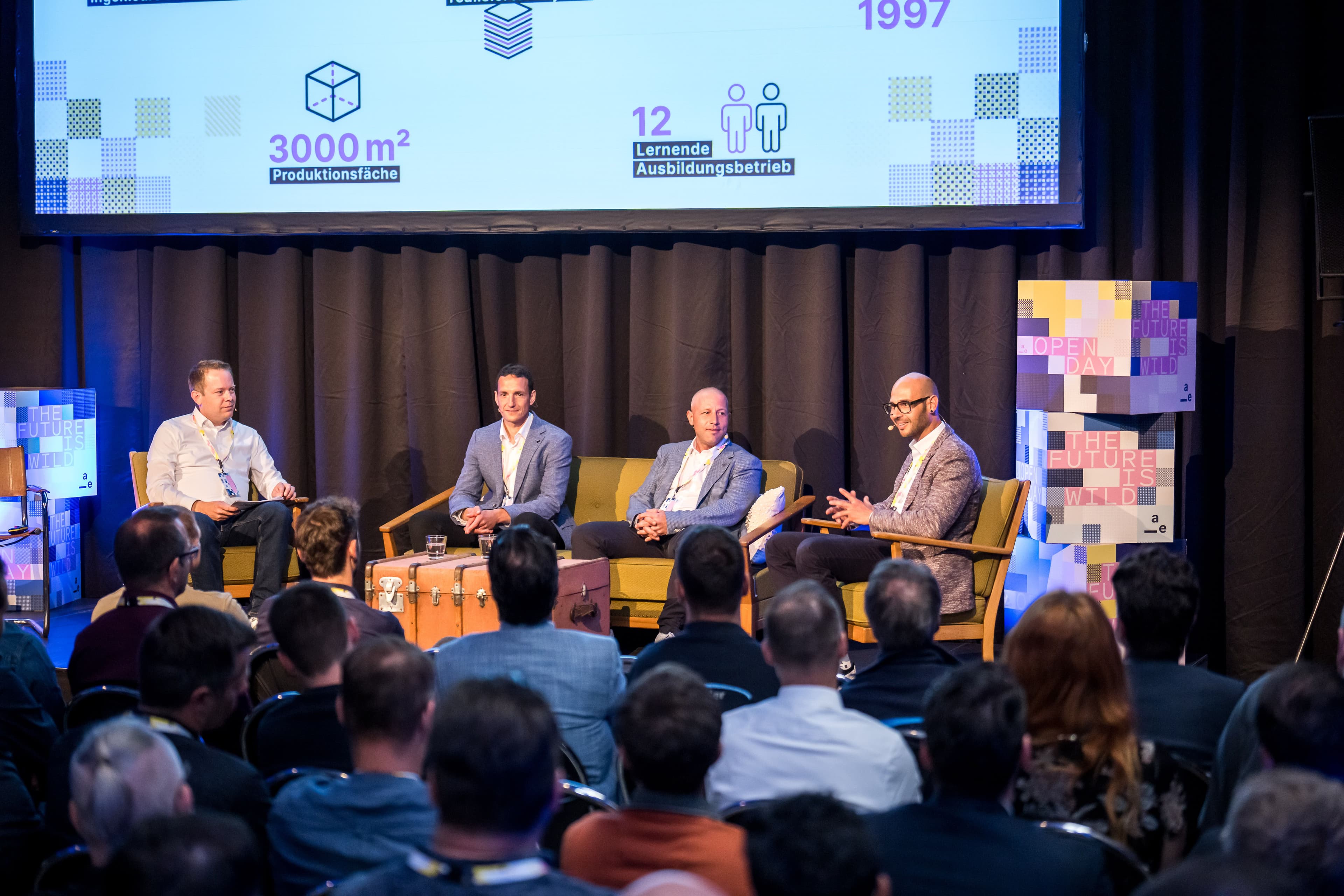
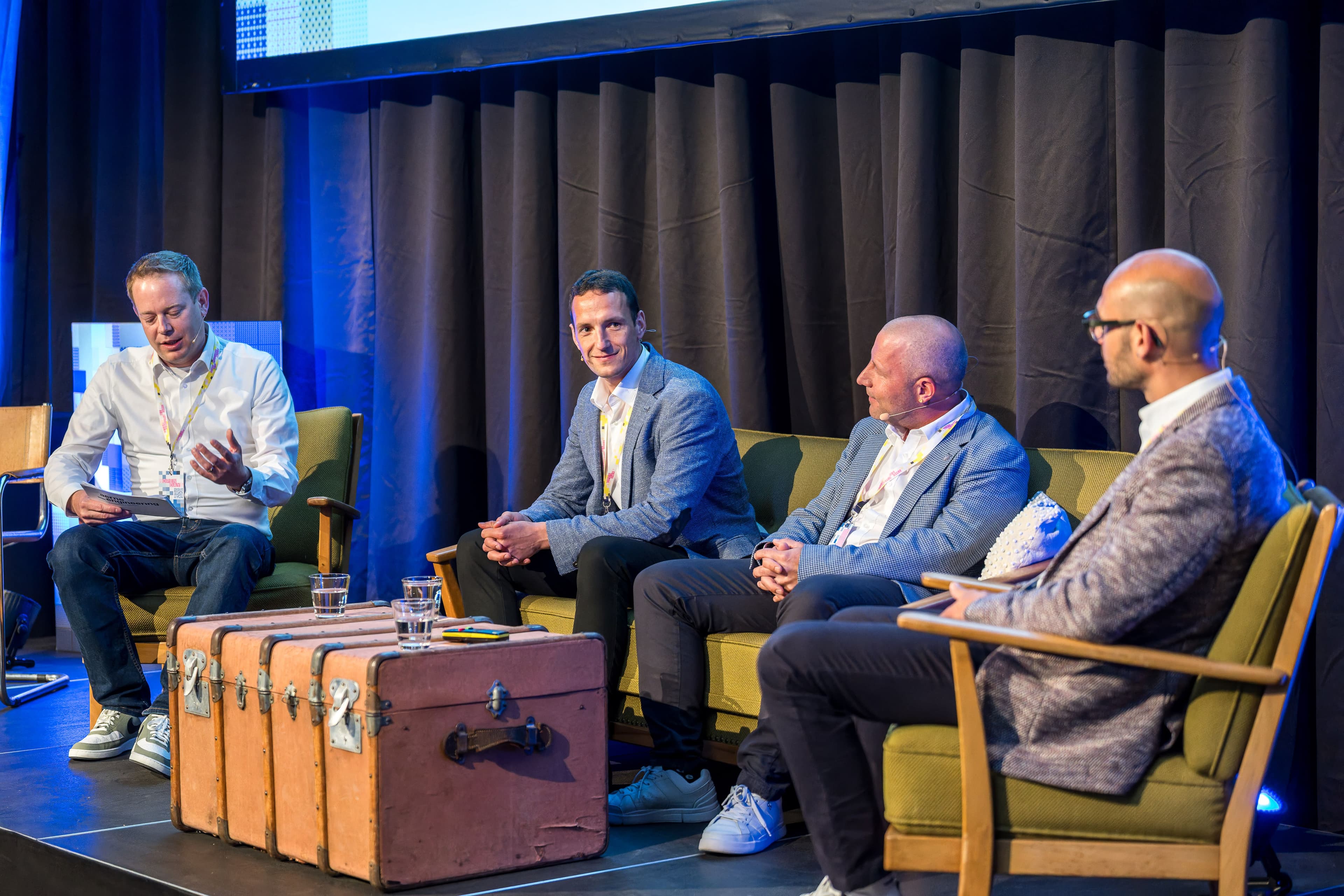
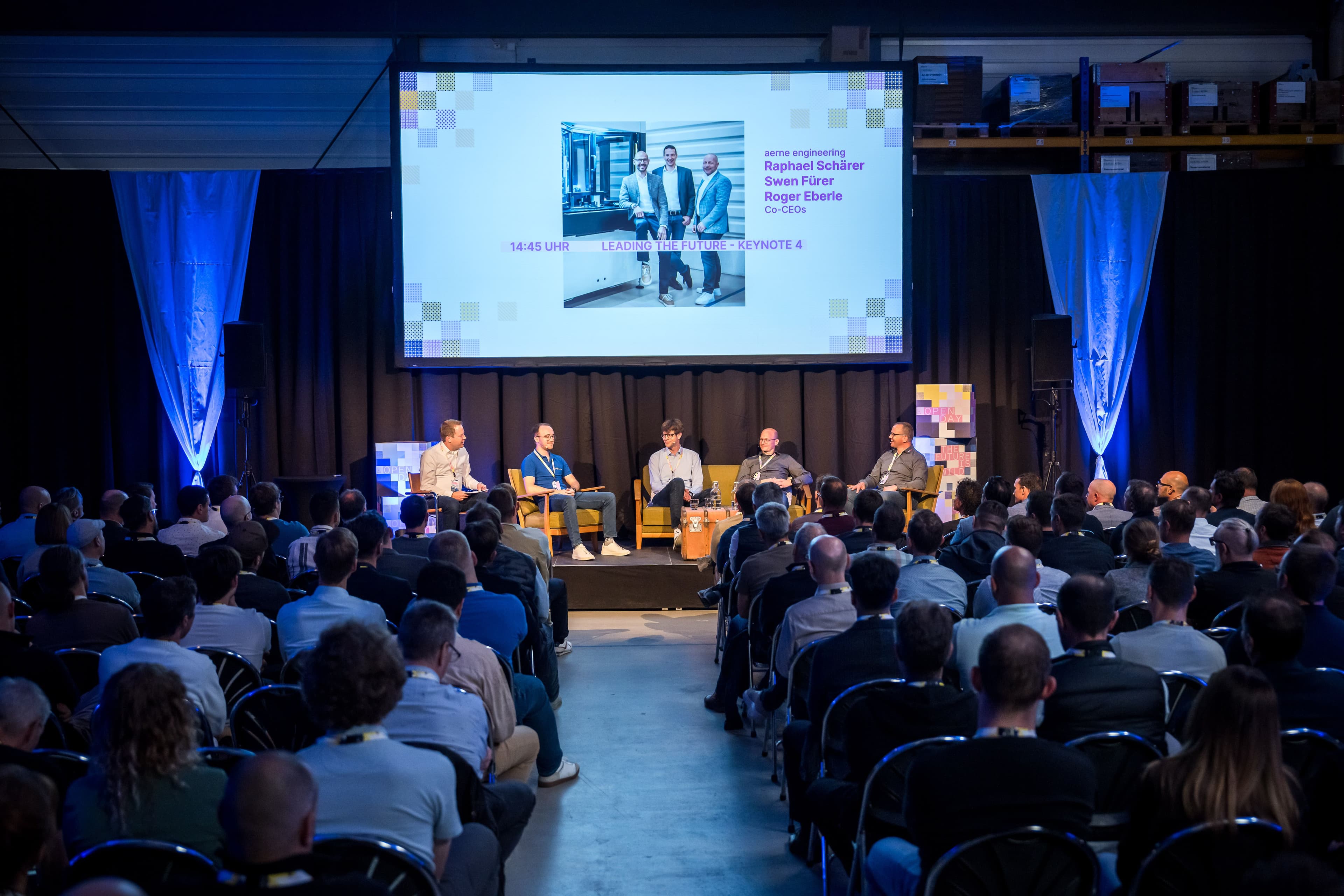
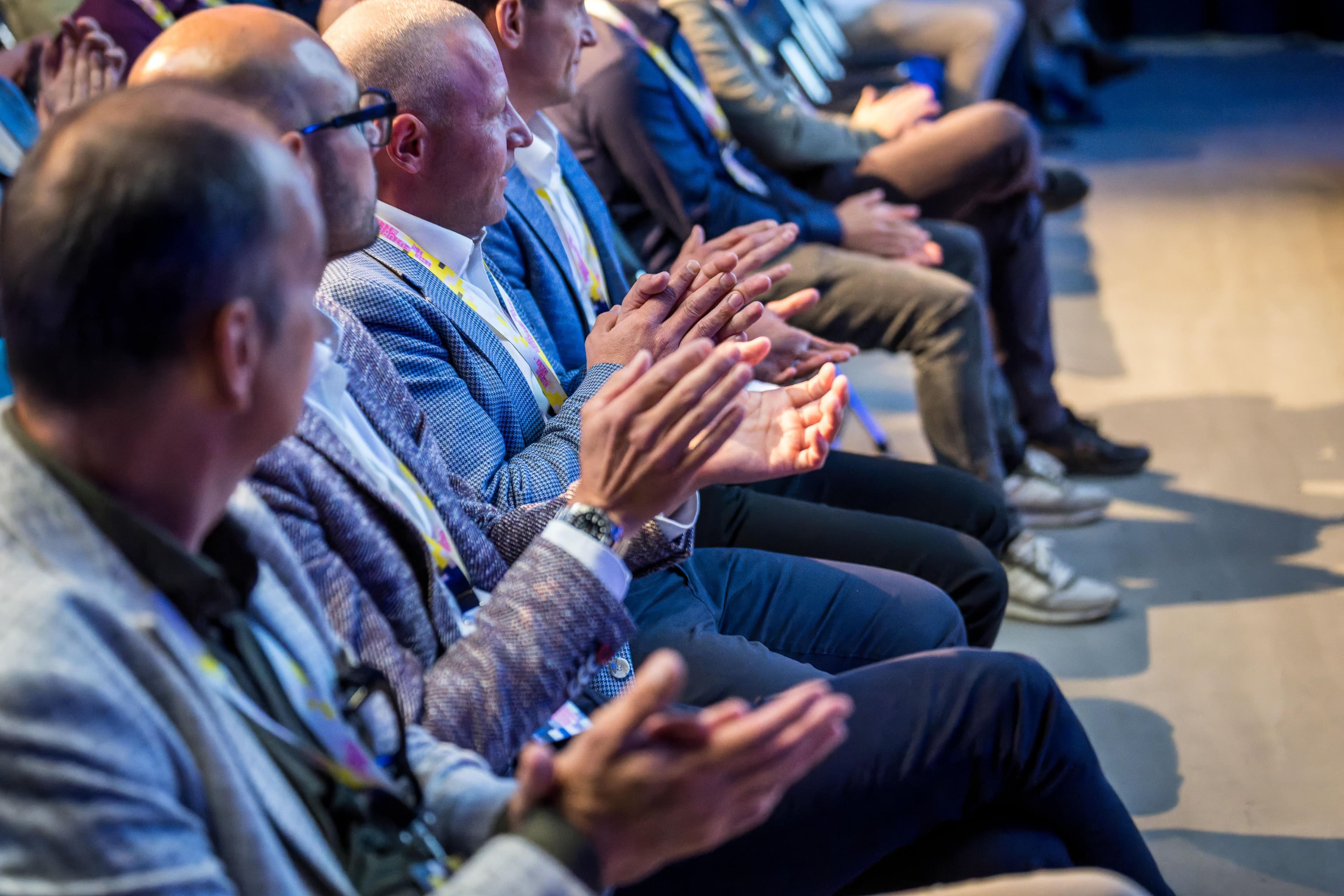
Your Co-CEO Board discussion at the _ae OPEN DAY clearly struck a chord with the audience. Why do you think that was?
Raphael Schärer: I believe many leaders and companies are facing exactly these questions, or similar ones. What does leadership look like today? How do you distribute responsibility? And how do you remain agile and capable of making decisions at the same time? We deliberately spoke openly about these issues, including the difficulties. Perhaps that honesty was precisely why the discussion resonated with so many people.
Looking one year ahead, what would be the clearest sign that the co-CEO model has proved successful?
Roger Eberle: That it’s the impact that matters, not the organisational chart. If our employees are happy to take on responsibility, our customers experience the added value and we remain agile as a company, then we’ve achieved our goal.
Swen Fürer: And I hope that by then, we won’t need to talk about co-CEO models at all. Instead, we’ll be talking about what we’ve achieved together through this approach. To us, that’s what successful leadership looks like.
Raphael Schärer: Exactly. The co-CEO model isn’t an end in itself. It’s designed to help us develop better solutions for our customers and ensure the long-term success and continued development of aerne engineering.
Caption:
Keynote “Leading the Future” at the _ae OPEN DAY on 7 May 2026: The Co-CEO Board of Aerne Engineering AG discusses modern leadership, agile organisations and the future of collaboration in industry.